
How to find every inspection date on your Indiana church building
Fire, boiler, elevator, kitchen and backflow: who inspects each one in Indiana, where the dates are posted in your building, and how to keep track of them.
By Tom Moore · October 16, 2026 · 7 min read
An elevator can work perfectly well and still not be allowed to carry anyone, because all it takes is a certificate of operation in the car that ran out months ago without anybody noticing. In a church, the people left stranded are usually the ones who can least manage the stairs.
That's usually how compliance slips in a church building, and it's rarely because of neglect or anyone cutting corners. More often the person who knew the dates retired, the paperwork ended up in a drawer, and the renewal notice kept going to an email address that belongs to someone who left years ago.
If you've just taken over a building, or you've looked after one for years without ever writing the dates down in one place, this walk-through will help you figure out where you stand. The agencies named here are Indiana's, but if your church is in another state, the walk-through and the way you keep track of the dates work just the same.
Why churches lose track of these dates
Part of the reason is that looking after the building is rarely anyone's whole job. Church facilities are often run by a part-time staff member, a retired tradesman who volunteers a couple of mornings a week, or a business administrator who also handles payroll and counts the offering, so nobody really owns the calendar and it ends up being whatever arrives in the mail.
Turnover makes it worse, because it happens in the worst possible place. Sunday volunteers come and go and so do office administrators, which means most of what anyone knows about the building lives with one long-serving person and walks out the door when they leave.
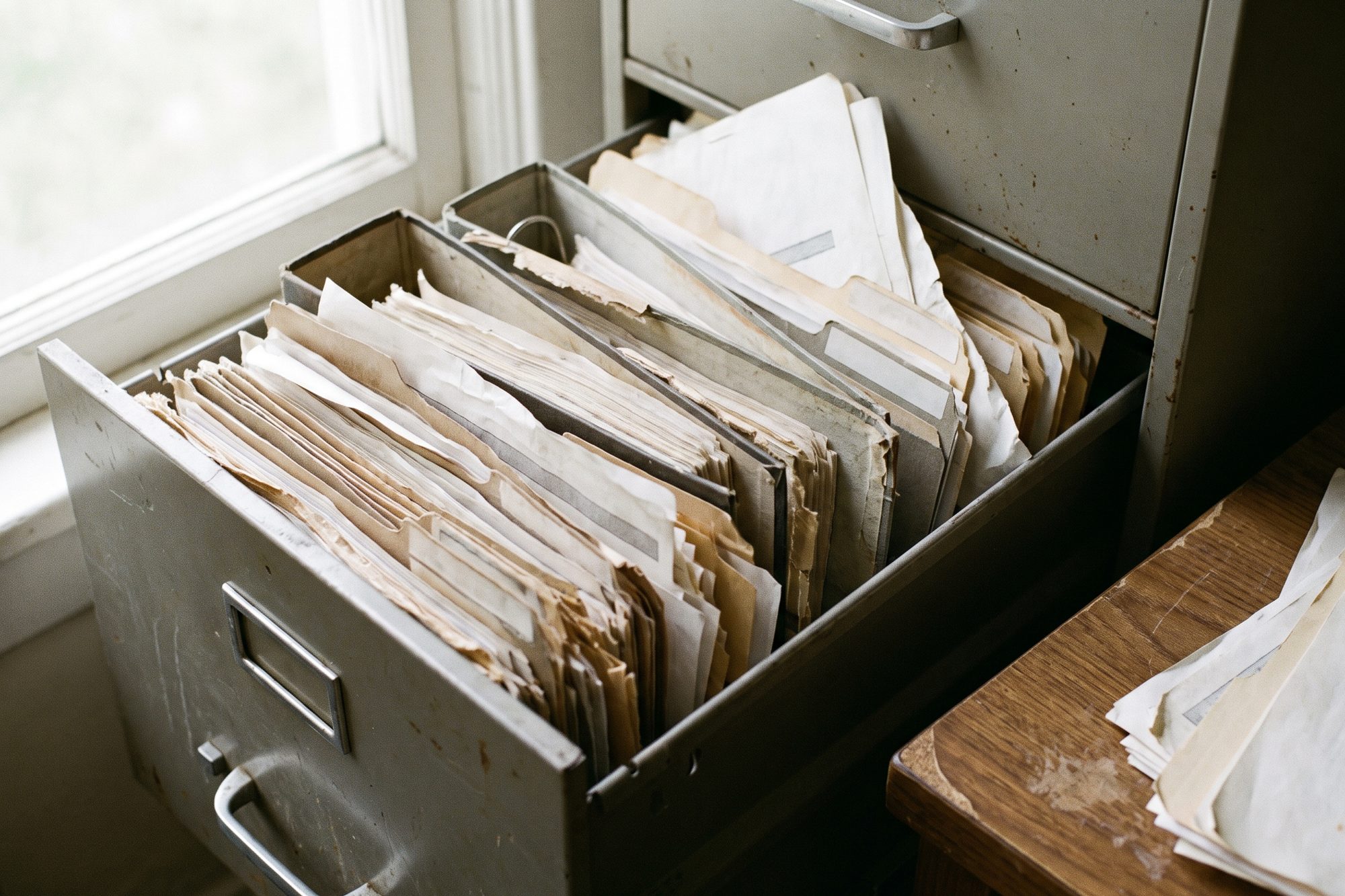
The buildings themselves add to the problem, since many congregations meet in buildings that were put together over decades, with a 1950s sanctuary, a 1970s education wing and a fellowship hall from 2004. Each of those additions brought its own equipment, its own inspections and quite often its own filing system.
What expires, and who inspects it
Depending on what your building has, there are about five things to keep track of, and here's who handles each of them in Indiana.
Fire safety inspections
The State Fire Marshal sits within the Indiana Department of Homeland Security, and Indiana's fire code is adopted through the Fire Prevention and Building Safety Commission. In practice, though, the person who walks through your building is usually from your local fire department. They're the authority having jurisdiction, so they're the ones who will tell you what they expect and how often they'll come.
That matters more than most people realize, because how often you're inspected and what gets flagged depend on your occupancy classification and on local practice. To a fire inspector, a church with a licensed daycare in its education wing is a different building from the same church without one.
If you only make one call from this list, make it this one. Phone the non-emergency line of the fire department that covers your address and ask who inspects places of assembly and when they last inspected yours. They keep the record, and the whole call takes about five minutes.
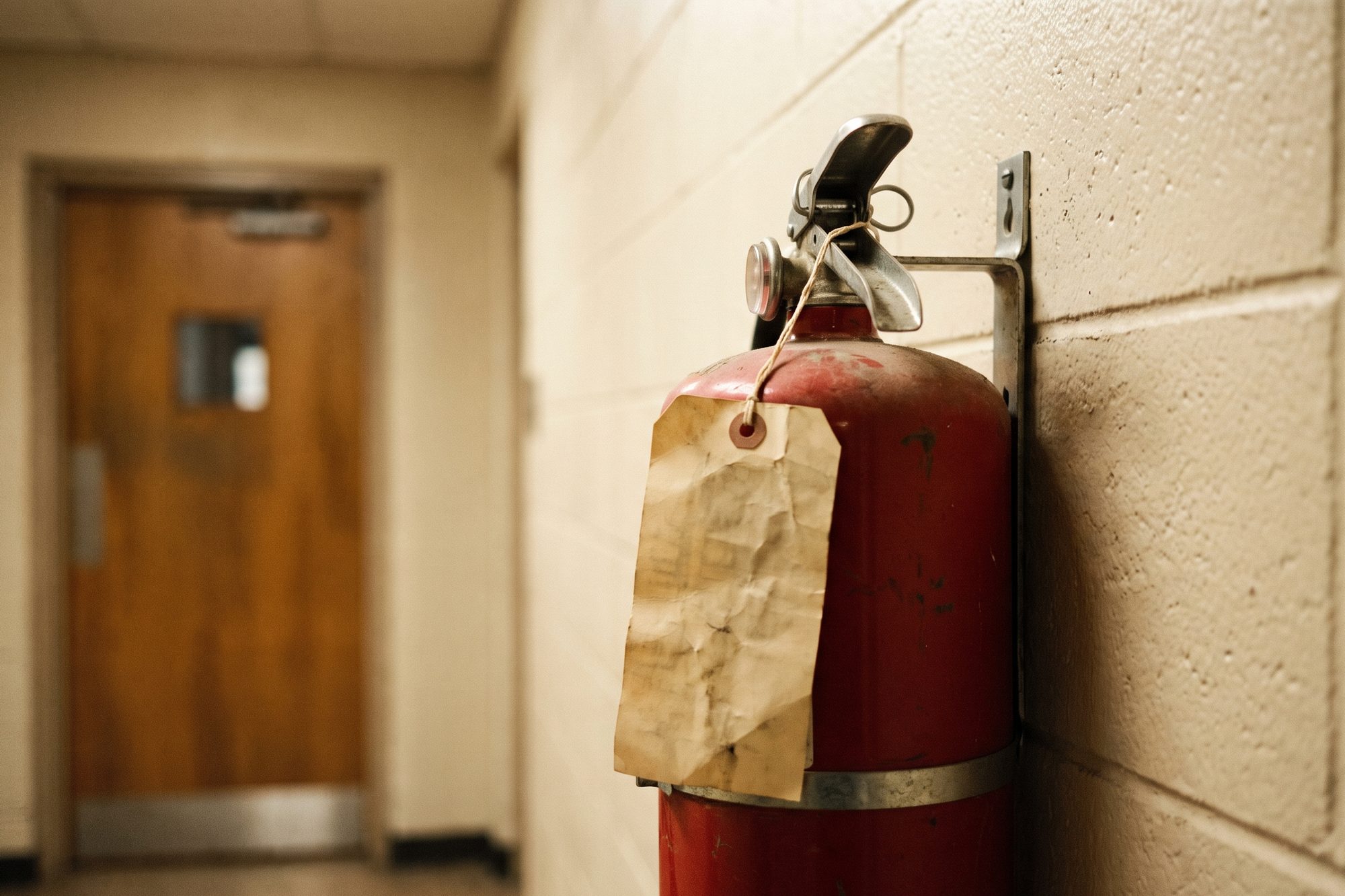
Your fire extinguishers, alarm system, sprinklers and emergency lighting each have their own service schedules as well, and those are usually handled by a private contractor rather than the fire department.
Boilers and pressure vessels
Boilers also fall under the Indiana Department of Homeland Security, through its boiler and pressure vessel safety program. Whether your particular unit is covered, and how often it has to be inspected, depends on the type of vessel and its pressure, so it's worth calling them directly rather than guessing.
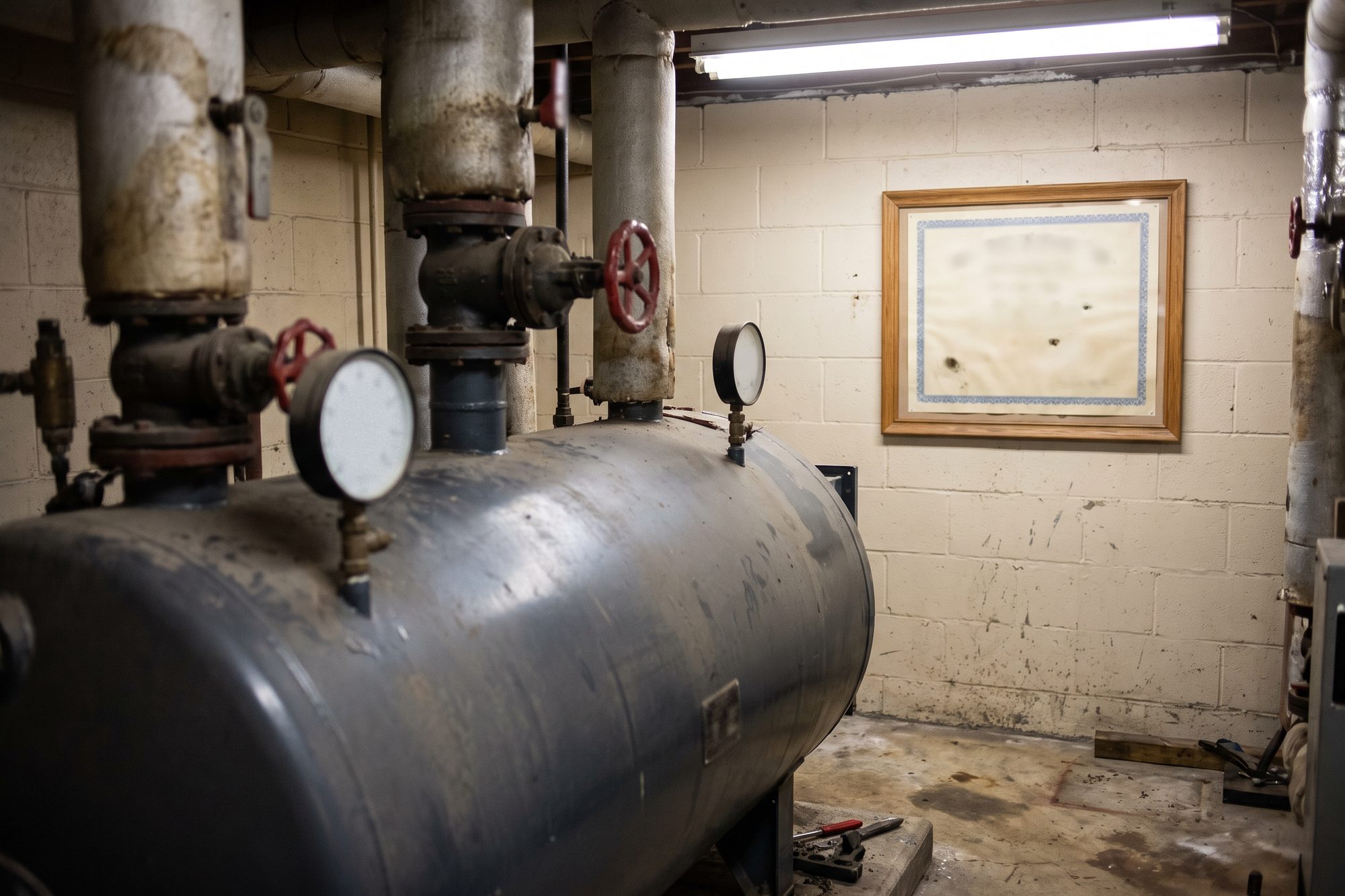
There's a handy shortcut, though, because the certificate is usually posted in the mechanical room near the unit. If you find a framed certificate on the wall, the date will be on it, and if there isn't one, that tells you something too.
Elevators and lifts
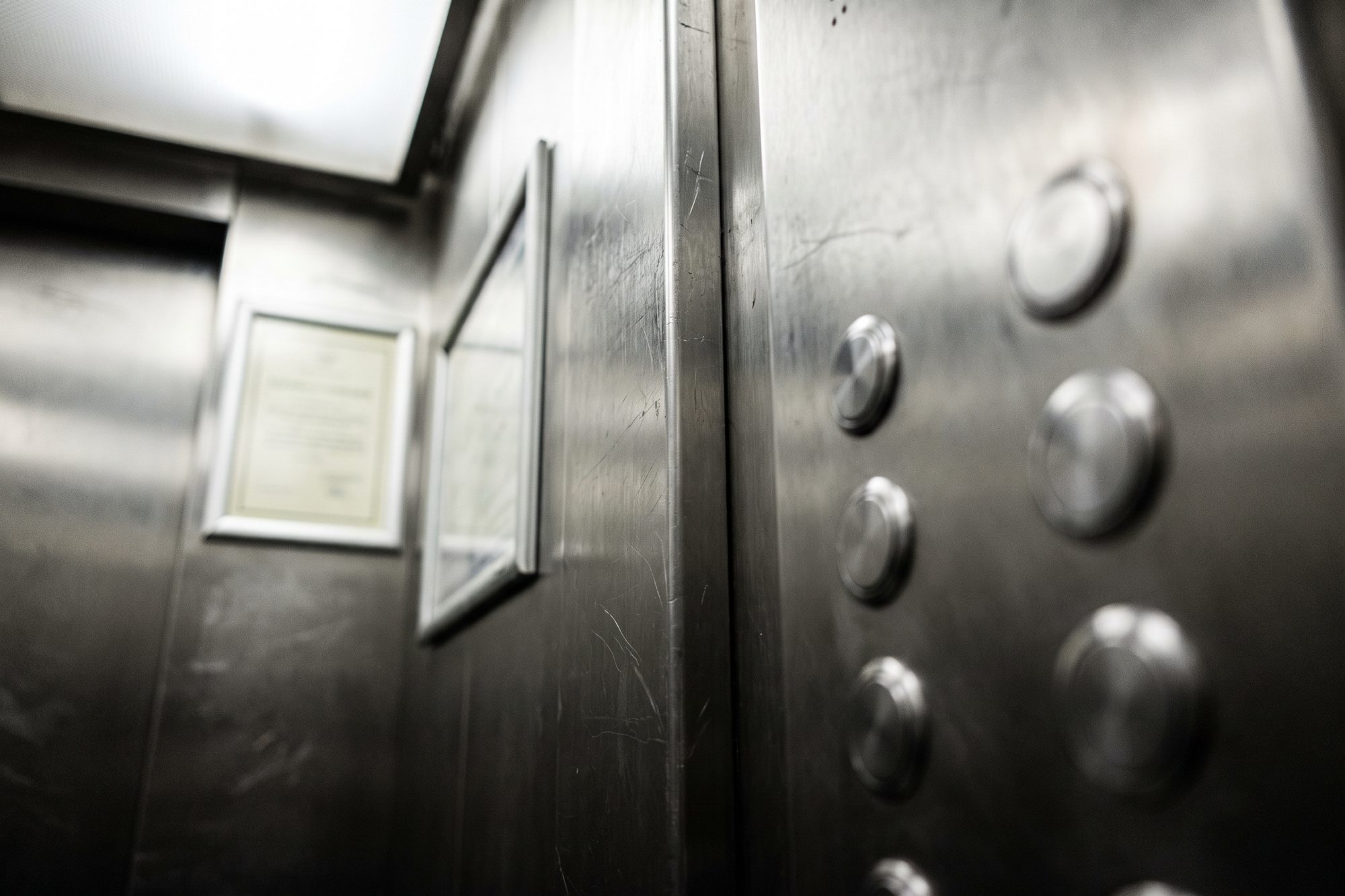
Elevators come under the Indiana Department of Homeland Security as well, through its elevator safety program. Any conveyance in public use carries a certificate of operation, and it's posted inside the car. Go and look at yours today, since it only takes thirty seconds and it's the date on this list most likely to surprise you.
Wheelchair lifts and platform lifts count too, so if your church installed a lift to make the platform accessible, you have a regulated conveyance even though nobody thinks of it as an elevator.
The kitchen
The kitchen is handled by your county rather than the state, and it's where facility managers get caught off guard most often.
Food service permits in Indiana go through your county health department, which means the Marion County Public Health Department in Indianapolis and the county departments in Hamilton, Hendricks, Johnson, Boone and the rest of the metro. The rules and fees aren't the same from one county to the next, which matters if your congregation has campuses in two different counties.
The real question is what triggers a permit, and that depends on what you're doing in the kitchen. A Wednesday meal for the congregation, a food pantry, a coffee bar that sells drinks, a rented hall where a caterer works and a preschool that serves lunch aren't all treated the same way, so ask your county health department directly what your activities require. They'd much rather answer that question up front than write a citation later.
Backflow prevention
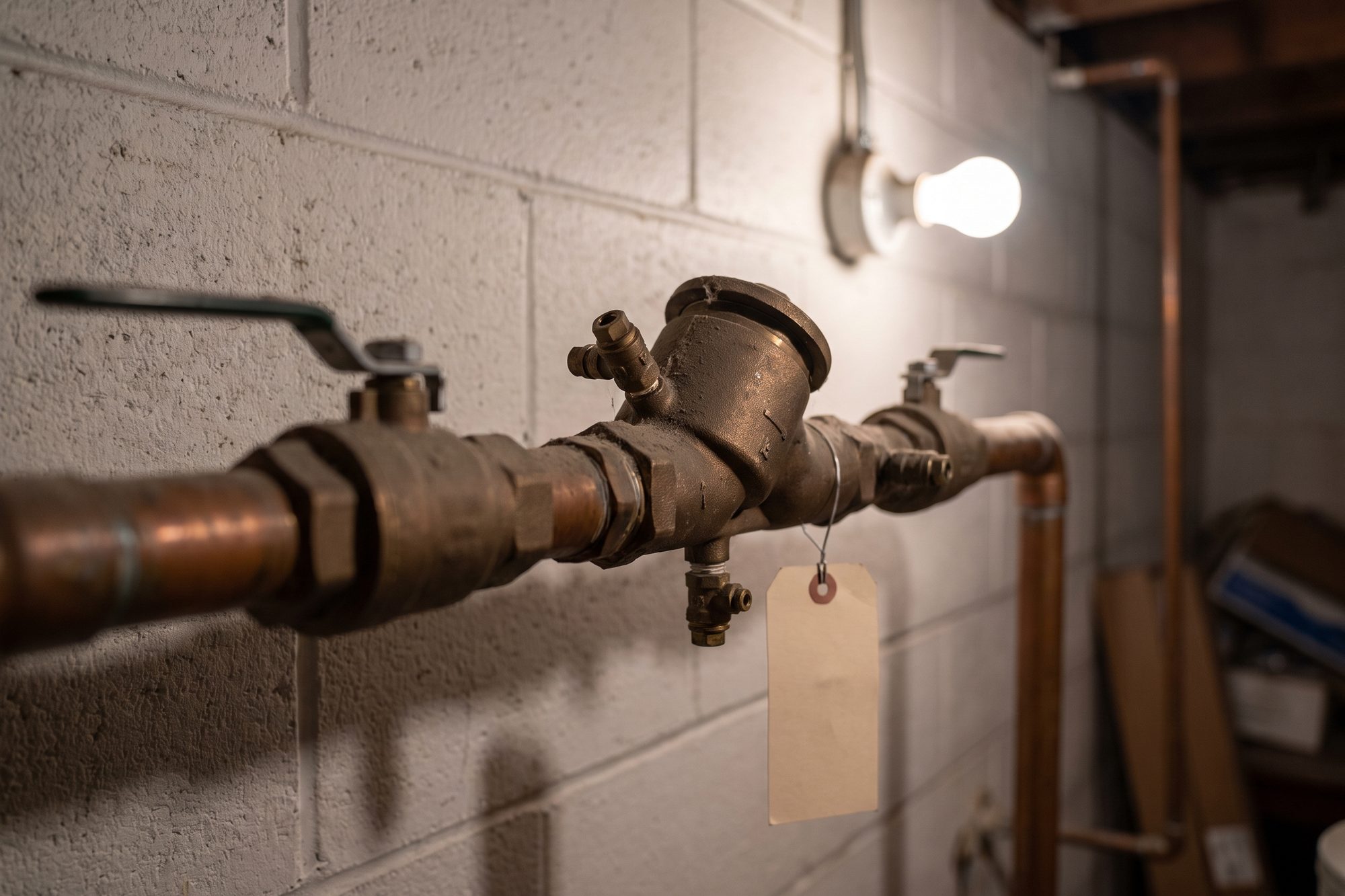
Your water utility (Citizens Energy Group across much of Indianapolis, and others elsewhere in the metro) requires backflow prevention assemblies to be tested by a certified tester, and they keep track of it. Churches tend to have several of these, on the irrigation, the kitchen, the boiler feed and sometimes the baptistry, and each assembly usually has a tag showing the date of its last test.
Insurance certificates
One more date isn't a government requirement at all, and that's your certificate of insurance. It's also the one on this list where a lapse can end a ministry rather than just close a room. Most churches carry several policies with different end dates, such as general liability, auto coverage for the van and workers' compensation, and they rarely expire on the same day.
Walk the building first
Before you call anyone, walk through the building with your phone and take a picture of every tag and posted certificate you can find. Here's where to look:
| Where | What you'll find |
|---|---|
| Elevator car | Certificate of operation |
| Mechanical room wall | Boiler or pressure vessel certificate |
| Every extinguisher | A punched service tag |
| Sprinkler riser | An inspection tag from the fire protection contractor |
| Backflow assemblies | A test tag |
| Kitchen wall | The health department permit |
| Alarm panel | A service sticker from whoever monitors it |
Most buildings will answer four or five of these questions in about twenty minutes of walking, because the law generally requires the certificate to be posted where the equipment is. The drawer in the office should be the last place you look, not the first.
Keeping track of the dates
Once you have the photos you have a list of dates, but you don't have a system yet, and a list in a notebook only works for as long as you're the one holding the notebook. Whether you keep the dates in a spreadsheet, a shared calendar or a CMMS (maintenance management software built around work orders, preventive maintenance and inspections), a few things need to be true for the system to keep working after you.
The date should live with the thing it belongs to rather than in a separate spreadsheet, so the elevator's certificate date sits on the elevator's own record. Someone should hear about it well before it matters, since thirty days gives you time to schedule a contractor and three days doesn't. More than one person should be told, because a reminder that goes to a single inbox stops working the moment that person is on vacation or moves on. And the document itself should be easy to find, so that when the inspector asks, you can hand over the certificate instead of your memory of having seen it.
That last point is why we built document expiry reading into WiseHQ, our facility management software for churches and schools. You upload the certificate, and WiseHQ AI reads the date off the page and shows you where it found it. Once you confirm the date, WiseHQ reminds the people responsible at thirty, fourteen and three days. A single certificate often covers several things that expire on different days (a certificate of insurance with three policies on it is the usual example), so each date is tracked under its own name.
The software is the easy part, though, and the walk through the building is the part that really has to happen. You can do it this week with nothing more than your phone.
Where to start
- Walk the building and photograph every tag and posted certificate.
- Call your local fire department's non-emergency line and ask when they last inspected you.
- Call your county health department about the kitchen and describe honestly what happens in it.
- Put every date you found in one place, with the document attached.
- Set reminders for thirty days out, and send them to more than one person.
None of this costs much, and all of it is cheaper than an elevator nobody is allowed to use.
Stop finding out from the inspector
Upload the certificate and WiseHQ AI reads the date off the page and shows you where it found it. Confirm it, and the right people are reminded at thirty, fourteen and three days.